The digital revolution has reshaped the way we live, work, and communicate. One of the biggest areas where this change is most visible is in the way businesses reach their audience — through digital marketing. From small startups to multinational companies, digital marketing has become a core part of every business’s strategy to stay relevant and competitive in the online world.
In this article, we’ll explore how digital marketing is changing the landscape of customer engagement, branding, and growth, and why it’s more than just advertising — it’s a complete approach to connecting with people in the digital age.
At our company Digital marketing refers to all forms of marketing that use the internet or electronic devices. It includes strategies and tools used to reach current and potential customers through online platforms. These can include search engines, websites, email, social media, mobile apps, and more.
Unlike traditional marketing — which relies on print ads, billboards, or television — digital marketing offers direct, two-way communication with users. It’s measurable, adaptable, and cost-effective, making it accessible even for small businesses.
Core Components of Digital Marketing
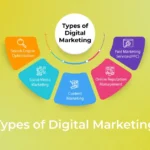
Digital marketing is made up of several key elements, each serving a different purpose but working together to form a complete strategy:
1. Search Engine Optimization (SEO)
SEO focuses on improving a website’s visibility in search engine results. Through keyword research, content optimization, and link building, websites can appear higher on platforms like Google — bringing in organic traffic without paid ads.
2. Content Marketing
Creating valuable content such as blog posts, videos, infographics, and guides helps attract and engage audiences. Good content answers user questions, solves problems, and builds trust over time.
3. Social Media Marketing (SMM)
Platforms like Facebook, Instagram, LinkedIn, and TikTok allow businesses to share content, interact with users, and build communities. Social media marketing is ideal for brand awareness, storytelling, and real-time engagement.
4. Email Marketing
Despite being one of the oldest digital channels, email marketing remains highly effective. Sending personalized emails about promotions, updates, or valuable content helps nurture leads and maintain customer relationships.
5. Pay-Per-Click Advertising (PPC)
PPC involves running paid ads on platforms like Google Ads or Facebook Ads. Businesses pay when users click their ads, allowing for controlled spending and measurable results.
6. Analytics and Reporting
Digital marketing’s biggest strength is measurability. Tools like Google Analytics allow marketers to track user behavior, campaign performance, and ROI — helping them make data-driven decisions.
Digital marketing continues to evolve with time. Voice search, influencer marketing, interactive content, and user-generated media are shaping the next generation of digital engagement. The focus is shifting from one-way messaging to meaningful conversations between brands and people.
Xteme Origin
As the digital world grows, the line between online and offline marketing will continue to blur. Success in digital marketing will depend on a brand’s ability to stay agile, creative, and customer-focused.
Digital marketing is more than a trend — it’s a fundamental part of modern business. It’s not just about being online; it’s about connecting, engaging, and building lasting relationships in a digital-first world.
As people continue to spend more of their time on digital platforms, brands that understand and adapt to this landscape will lead the way forward — not just with ads, but with value, trust, and meaningful communication.